Developing land in the Atlanta area often involves more than clearing a lot and breaking ground. Conditions beneath the surface, local regulations, utility access, and environmental requirements can all affect the final construction budget. Understanding these hidden challenges before construction begins helps property owners make informed decisions and avoid costly surprises.
Quick Answer
Hidden land development challenges that impact build costs include unsuitable soil conditions, grading requirements, stormwater management, utility availability, environmental restrictions, permitting delays, and site accessibility. In the Atlanta region, factors such as rolling terrain, clay-heavy soils, watershed regulations, and varying county requirements can significantly influence development costs long before vertical construction begins.
What Local Property Owners Should Know
- Land that appears build-ready may still require extensive grading, drainage improvements, or soil stabilization.
- Properties in Fulton County, DeKalb County, Cobb County, and Gwinnett County can have different permitting and development requirements.
- Utility extensions for water, sewer, gas, or electrical service often represent a substantial portion of site development costs.
- Stormwater management requirements throughout the Atlanta metro area frequently influence both site design and construction budgets.
- Early planning and professional site evaluation help identify issues before they become expensive construction delays.
Why This Matters Locally
Hidden development costs matter because the Atlanta metropolitan area features a wide variety of terrain, soil conditions, and municipal requirements. A parcel in Buckhead may present very different development considerations than one in Alpharetta, Marietta, Decatur, or Sandy Springs. Steep slopes, mature tree preservation ordinances, watershed protections, and aging infrastructure can all influence project scope.
Principle Builders Group understands that successful projects begin with careful planning. We work to identify potential development challenges early so our clients can move through the construction process with greater confidence and fewer unexpected expenses.
Local Field Observations
Professional experience throughout the Atlanta region shows that many cost increases originate during site preparation rather than building construction. Common issues include:
- Unexpected rock excavation.
- Poor soil bearing capacity.
- Drainage improvements.
- Utility relocation.
- Additional retaining wall requirements.
- Erosion control modifications requested during permitting.
While every property is different, early investigation consistently provides better budgeting accuracy than relying solely on visual site inspections.
Local Impact
Hidden land development challenges affect more than construction budgets. They can influence project schedules, financing timelines, permit approvals, and long-term property performance.
For commercial developments, unexpected site work may delay tenant occupancy or business operations. Residential projects can experience longer construction schedules if grading, drainage, or utility issues emerge after work has begun. Addressing these factors during planning helps reduce disruptions throughout the project.
Warning Signs
Hidden land development issues may exist if you notice:
- Steep slopes across the property.
- Standing water after rainfall.
- Significant elevation changes.
- Large exposed rock formations.
- Limited road frontage or difficult site access.
- Nearby streams, wetlands, or flood-prone areas.
- Existing utility lines crossing the property.
- Evidence of previous fill material or disturbed ground.
These signs do not necessarily prevent development, but they often warrant additional evaluation before finalizing project budgets.
When to Call a Professional
Professional evaluation is recommended before purchasing land, finalizing development plans, or submitting permit applications. While property owners can review publicly available zoning information and observe visible site conditions, geotechnical evaluations, drainage analysis, utility coordination, and grading design require specialized expertise.
Early professional planning often identifies potential cost drivers before they affect construction schedules.
Common Local Causes
Several factors commonly increase land development costs throughout the Atlanta area.
Soil Conditions
Georgia’s expansive clay soils may require additional engineering, stabilization, or foundation modifications depending on the project.
Topography
Rolling terrain throughout many Atlanta communities often requires grading, retaining walls, or specialized drainage solutions.
Stormwater Regulations
Modern stormwater requirements frequently require detention facilities, underground systems, or water quality improvements before construction can proceed.
Utility Availability
Properties without nearby utility connections may require significant infrastructure extensions or upgrades.
Environmental Considerations
Tree protection ordinances, stream buffers, and environmentally sensitive areas may affect site layout and usable land.
Local Permitting Requirements
Each jurisdiction may have unique review processes, engineering requirements, and inspection procedures that influence project timelines.
Prevention and Maintenance
Property owners can reduce unexpected costs by taking several proactive steps:
- Complete due diligence before purchasing land.
- Obtain a professional survey.
- Schedule geotechnical testing when appropriate.
- Review zoning and development requirements early.
- Coordinate utility availability before final design.
- Budget for contingency expenses during planning.
- Address drainage concerns before construction begins.
These steps help create more accurate project estimates and reduce the likelihood of major surprises later.
Expected Results
Thorough site planning does not eliminate every unknown, but it greatly improves project predictability. Property owners who invest in early evaluations typically receive:
- More accurate budgets.
- Better scheduling.
- Fewer permitting delays.
- Improved construction coordination.
- Better long-term site performance.
Every property remains unique, but comprehensive planning provides a stronger foundation for successful development.
Common Mistakes
Mistake: Purchasing land based only on appearance.
Consequence: Hidden grading, utility, or soil costs emerge after closing.
Better Approach: Complete site evaluations before committing to development.
Mistake: Assuming nearby utilities are easy to access.
Consequence: Utility extensions become unexpected budget items.
Better Approach: Verify service availability with local providers early.
Mistake: Underestimating stormwater requirements.
Consequence: Redesigns increase engineering and construction costs.
Better Approach: Include drainage planning during initial site design.
Mistake: Waiting to investigate permitting requirements.
Consequence: Approval delays extend project schedules.
Better Approach: Review local development regulations before finalizing plans.
Common Local Scenario
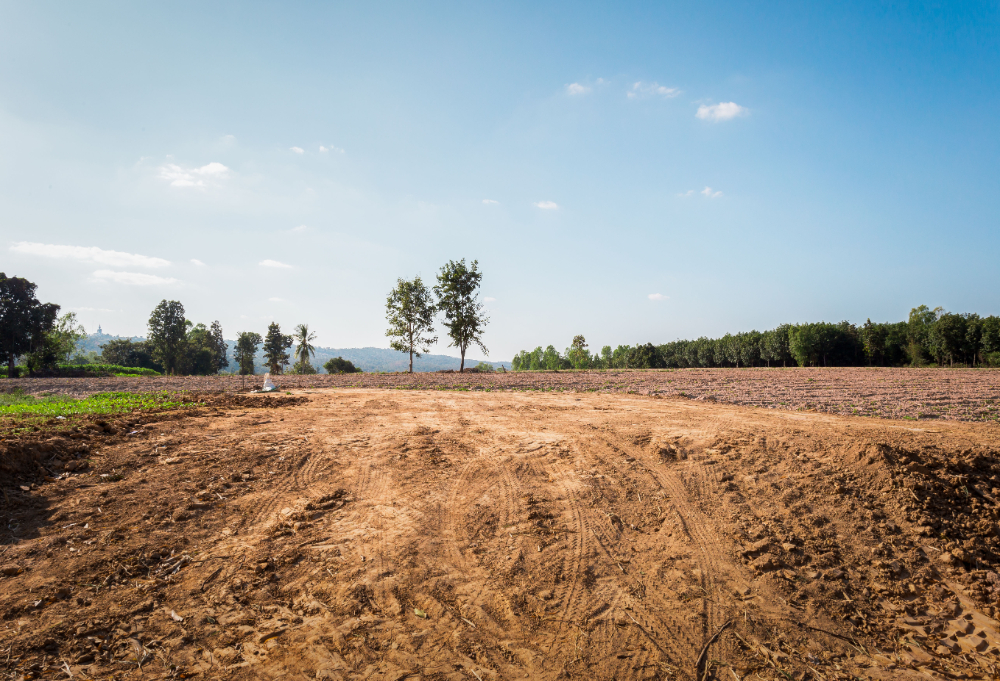
A property owner identifies an attractive parcel that appears ready for construction because it is mostly cleared. During project planning, geotechnical investigations reveal unsuitable soils in portions of the site, while engineering identifies additional stormwater infrastructure requirements due to local regulations. Although these findings increase initial development costs, addressing them before construction helps avoid much larger delays and change orders later.
Related Service Solutions
Land development projects often benefit from coordinated services including:
- Site planning.
- Pre-construction consulting.
- Utility coordination.
- Grading and drainage planning.
- Commercial construction management.
- Residential development planning.
- General contracting.
- Project budgeting.
Understanding how these services work together allows projects to move from concept to construction more efficiently.
Comparing Your Options
| Option | Advantages | Considerations |
|---|---|---|
| Minimal upfront investigation | Lower initial cost | Greater risk of unexpected expenses later |
| Comprehensive site evaluation | Better budgeting and planning | Higher initial due diligence investment |
| Design first, evaluate later | Faster early planning | Greater chance of redesigns |
| Full pre-construction planning | Improved coordination and scheduling | Requires additional preparation before construction |
Service Areas
We proudly serve Atlanta and surrounding communities throughout the metro area, including Alpharetta, Sandy Springs, Marietta, Decatur, Roswell, and nearby areas. Local knowledge helps us understand the unique development conditions found across North Georgia.
Cost of Ignoring the Issue
Delaying investigation of hidden site conditions can lead to redesigns, construction delays, change orders, financing complications, and higher overall project costs. Early planning helps property owners make informed decisions before major investments begin.
Frequently Asked Questions
What hidden site conditions most commonly increase construction costs in Atlanta?
Hidden site conditions commonly include poor soil, grading challenges, drainage improvements, utility extensions, and environmental requirements. Identifying these issues early helps improve budgeting accuracy.
Why do soil conditions matter for construction in Fulton County?
Soil conditions influence foundation design, grading, and long-term structural performance. Clay-heavy soils found throughout much of the region may require additional engineering depending on the project.
Can permitting affect development costs in the Atlanta area?
Yes. Different municipalities may have varying review processes, engineering standards, and inspection requirements that influence both schedules and project budgets.
Is every undeveloped property ready for construction?
No. Even cleared land may require significant infrastructure improvements before building can begin. Professional evaluations help determine actual site readiness.
How can I reduce unexpected development costs?
The best approach is completing surveys, engineering reviews, utility coordination, and due diligence before construction begins. Early planning provides greater budget certainty.
Does stormwater management affect every project in the Atlanta region?
Many projects require some level of stormwater planning to meet local regulations. Requirements vary depending on project size, location, and jurisdiction.
When should I contact a construction professional?
The ideal time is before purchasing property or beginning design. Early involvement allows potential challenges to be identified while planning options remain flexible.
Are utility connections always available near a property?
Not necessarily. Water, sewer, gas, and electrical infrastructure may require extensions or upgrades depending on property location and existing service availability.
Closing
Every successful construction project starts with understanding the land beneath it. Identifying hidden development challenges early helps create more accurate budgets, smoother construction schedules, and better long-term project outcomes. Careful planning allows property owners to move forward with greater confidence while reducing the risk of costly surprises.
Build with Confidence From the Ground Up
Every property has unique development considerations, and early planning makes all the difference.