The way people live has changed dramatically over the past decade, and nowhere is that shift more visible than in the homes they choose to build. Custom home design is no longer just about square footage or curb appeal. It is about creating spaces that reflect how individuals and families actually spend their time, what they value, and how they envision their everyday lives unfolding. From the rise of remote work to a growing focus on wellness and sustainability, lifestyle preferences are now the primary engine driving home design trends across the country.
Homeowners are approaching architectural design services with a new kind of intentionality. Rather than simply choosing from a catalog of floor plans, they are arriving with detailed wish lists shaped by personal routines, hobbies, cultural backgrounds, and long-term goals. The result is a wave of deeply personalized homes that challenge traditional assumptions about what a house should look like and how it should function.
The Work-From-Home Revolution Has Redefined Interior Priorities
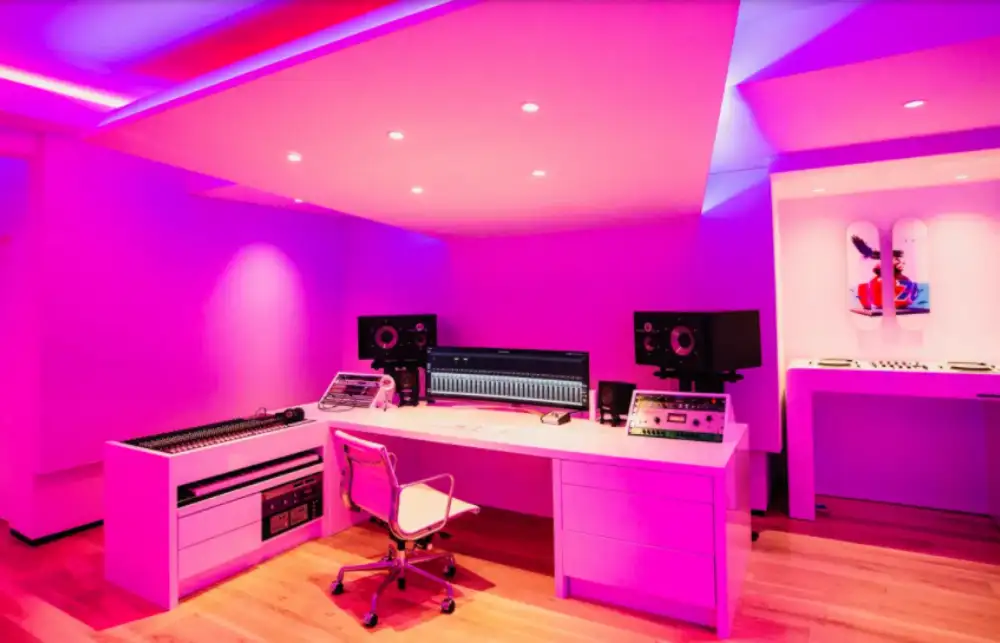
The widespread shift to remote and hybrid work has permanently altered how people think about interior space. Dedicated home offices were once a luxury reserved for the upper end of the market, but they have quickly become one of the most requested features in custom home design projects nationwide. Homeowners now want workspaces that are acoustically isolated, ergonomically optimized, and aesthetically professional enough to appear polished on video calls.
Beyond the standard home office, many clients are requesting multi-functional work zones that can transition between professional use during the day and personal use in the evenings. Architectural design services are responding by developing flexible layouts that incorporate built-in storage, adjustable lighting systems, and even separate entrances for clients who run businesses from home. The boundary between professional and domestic life has blurred, and smart floor planning is the tool people are using to manage that blur with intention rather than frustration.
Soundproofing has also emerged as a serious design consideration. Families with multiple remote workers or school-age children attending virtual classes are investing in acoustic wall treatments, double-pane interior windows, and strategic room placement to minimize noise transfer throughout the home.
Wellness Culture Is Influencing Every Room in the House
The global conversation around mental and physical health has moved squarely into the world of lifestyle home design. Homeowners are no longer satisfied with a treadmill shoved into a spare bedroom. They want dedicated wellness spaces that are thoughtfully designed and deeply integrated into the overall architecture of the home.
Residential gyms, yoga studios, meditation rooms, and spa-inspired bathrooms are among the most popular requests that architectural design services receive today. Natural light is treated as a non-negotiable element in these spaces, with designers using clerestory windows, skylights, and carefully oriented facades to flood interiors with sunlight throughout the day. Biophilic design principles, which prioritize a connection to nature through materials, views, and greenery, have become central to how wellness-focused homes are planned and built.
Air quality, water filtration, and circadian lighting systems are also gaining ground as homeowners become more educated about the relationship between the built environment and long-term health. These features were once considered niche upgrades, but they are steadily entering the mainstream conversation about what a well-designed home should include. Home design trends in the wellness category show no signs of slowing down as people continue to prioritize their health in every dimension of their lives.
Multigenerational Living Is Driving Demand for Adaptable Floor Plans
One of the most significant lifestyle shifts shaping custom home design right now is the return of multigenerational living. Economic pressures, cultural values, and an aging population have combined to make homes that accommodate multiple generations under one roof far more common than they were just a generation ago. Families are building with grandparents, adult children, and extended relatives in mind, and that requires a fundamentally different approach to floor planning.
Detached accessory dwelling units, sometimes called in-law suites or guest houses, have become a staple request in architectural design services. But the evolution goes beyond adding a secondary structure to the property. Homeowners are asking for main houses with private bedroom wings, separate entrances, kitchenettes, and accessible bathroom designs that allow elderly family members to maintain independence without sacrificing proximity to the rest of the family.
Universal design principles, which focus on creating spaces that are usable by people of all ages and abilities, are being woven into the foundation of custom home design rather than retrofitted after the fact. Zero-threshold showers, wider doorways, lever-style hardware, and single-level layouts are being requested by younger homeowners who are planning decades ahead, not just for their immediate needs but for the long arc of family life.
Outdoor Living Spaces Have Become True Extensions of the Home
The distinction between indoor and outdoor living has become increasingly fluid in contemporary home design trends. Homeowners are investing heavily in outdoor environments that function as fully realized living spaces rather than simple patios or decks. Covered outdoor kitchens, al fresco dining areas, fire features, resort-style pools, and shaded lounge zones have all become standard components of the custom home design conversation.
This trend is especially pronounced in warmer climates, where architectural design services are helping clients blur the line between interior and exterior through the use of large sliding or folding glass walls, continuous flooring materials that extend from inside to outside, and covered structures that protect outdoor spaces from the elements year-round. The idea is to expand the livable footprint of the home without simply adding more enclosed square footage.
Landscape architecture and home design are increasingly being treated as a unified discipline rather than separate processes. Clients want their outdoor environments to feel intentional and cohesive, not like an afterthought tacked onto the back of the house. From edible gardens and pollinator-friendly plantings to outdoor showers and backyard movie screens, the outdoor living category represents one of the most creative and fast-moving areas of lifestyle home design today.
Sustainability and Smart Technology Are Becoming Standard, Not Optional
Environmental consciousness and technological integration have moved from the margins to the center of custom home design. Homeowners are increasingly demanding homes that perform as well as they look, and that means energy efficiency, renewable power, and intelligent systems are now core components of the design brief rather than optional add-ons.
Solar panels, battery storage systems, high-performance insulation packages, and passive heating and cooling strategies are being built into projects from the earliest stages of planning. Architectural design services are partnering with energy consultants and sustainability specialists to deliver homes that minimize environmental impact while also reducing long-term utility costs for the homeowner.
On the technology side, fully integrated smart home systems that manage lighting, climate, security, and entertainment through a single interface have become a baseline expectation in the custom market. Homeowners want their homes to be intuitive and responsive, learning from their habits and adapting to their preferences over time. Home design trends in this category are evolving quickly as the technology itself becomes more sophisticated and more accessible.
The demand for sustainable and high-tech homes is also reshaping the materials palette available to designers and builders. Reclaimed wood, recycled metal, low-VOC paints, and locally sourced stone are being chosen not just for their aesthetic qualities but for their environmental credentials and the stories they tell about the values of the people who live in those homes.
Conclusion
Custom home design has entered an era defined by personal intention. The homes being built today are not simply shelter; they are physical expressions of how people want to live, what they believe in, and how they plan to spend their time. As lifestyle preferences continue to evolve, architectural design services will keep adapting, ensuring that every space built is as unique and purposeful as the life it is designed to support.
Need a Luxury Custom Home Builder Near You?
At Principle Builders Group, we believe your home should be a true reflection of your vision, lifestyle, and aspirations. Whether you are planning a custom luxury home, a major renovation, or exploring the possibilities for your property, our experienced team is here to guide you every step of the way. Contact us today to discuss your ideas and discover how our collaborative approach, innovative craftsmanship, and commitment to excellence can bring your dream home to life.